Most small-business cash stress does not start with a dramatic disaster. It starts with a normal week where invoices are late, software renewals hit, a subcontractor needs to be paid, and the owner is trying to make sales decisions from a foggy bank balance.
A weekly cash-flow review gives a small business owner one calm place to check what is coming in, what is going out, and what action matters next.
This is not accounting theater. It is a simple operating habit for owners, freelancers, consultants, creators, and local service businesses that need better money visibility without building a complicated finance department.

Why a weekly cash-flow review works
A monthly profit report is useful, but it usually arrives after the owner has already made the week’s decisions. A weekly review sits closer to reality. It helps you decide whether to chase unpaid invoices, delay a nonessential tool, sell a simple service package, or stop discounting work that is already tight.
The goal is not perfect forecasting. The goal is fewer surprise decisions. If you know the next seven to fourteen days, you can run the business with more control and less panic-clicking. Very official business term: panic-clicking. Terrible KPI, surprisingly common.
The four numbers to check every week
Keep the review simple enough that you will actually do it. Start with four numbers:
- Current available cash: what is usable today after ignoring money you already owe.
- Expected cash in: invoices, subscriptions, card payments, retainers, and likely sales that should land this week.
- Expected cash out: payroll, contractors, ads, software, taxes, debt payments, inventory, refunds, and owner draw.
- Seven-day gap: cash available plus expected cash in minus expected cash out.
If the gap is positive, decide how much buffer to keep. If the gap is thin, pick one action before the week starts fighting back.
Use one action list, not five finance tabs
The review should end with a short action list. Good cash-flow actions are boring in the best possible way:
- Collect two overdue invoices before starting new admin work.
- Ask for a deposit before scheduling a custom project.
- Move one annual software renewal to monthly until cash is steadier.
- Cut a tool nobody has used in thirty days.
- Sell one focused package instead of inventing a brand-new offer from scratch.
If the owner leaves the review with ten actions, the review failed. Pick the one or two moves that change the week fastest.
How this helps online income projects
People building online income streams often track views, clicks, subscribers, and tool ideas before they track cash timing. That can make a small project feel busier than it is. A weekly cash-flow review forces the project to answer cleaner questions: did money come in, when will it arrive again, what cost is required to keep going, and what needs to sell next?
For creators and consultants, this often reveals a simple truth: one clear paid offer with fast collection beats a pile of half-built ideas. Digital products, affiliate sites, service packages, sponsorships, and coaching offers all become easier to judge when the cash cycle is visible.
How this helps local service businesses
Local service businesses usually feel cash pressure in a different way. Jobs are booked, crews are moving, invoices are open, and materials or labor still need payment. The business can look busy while cash stays tight.
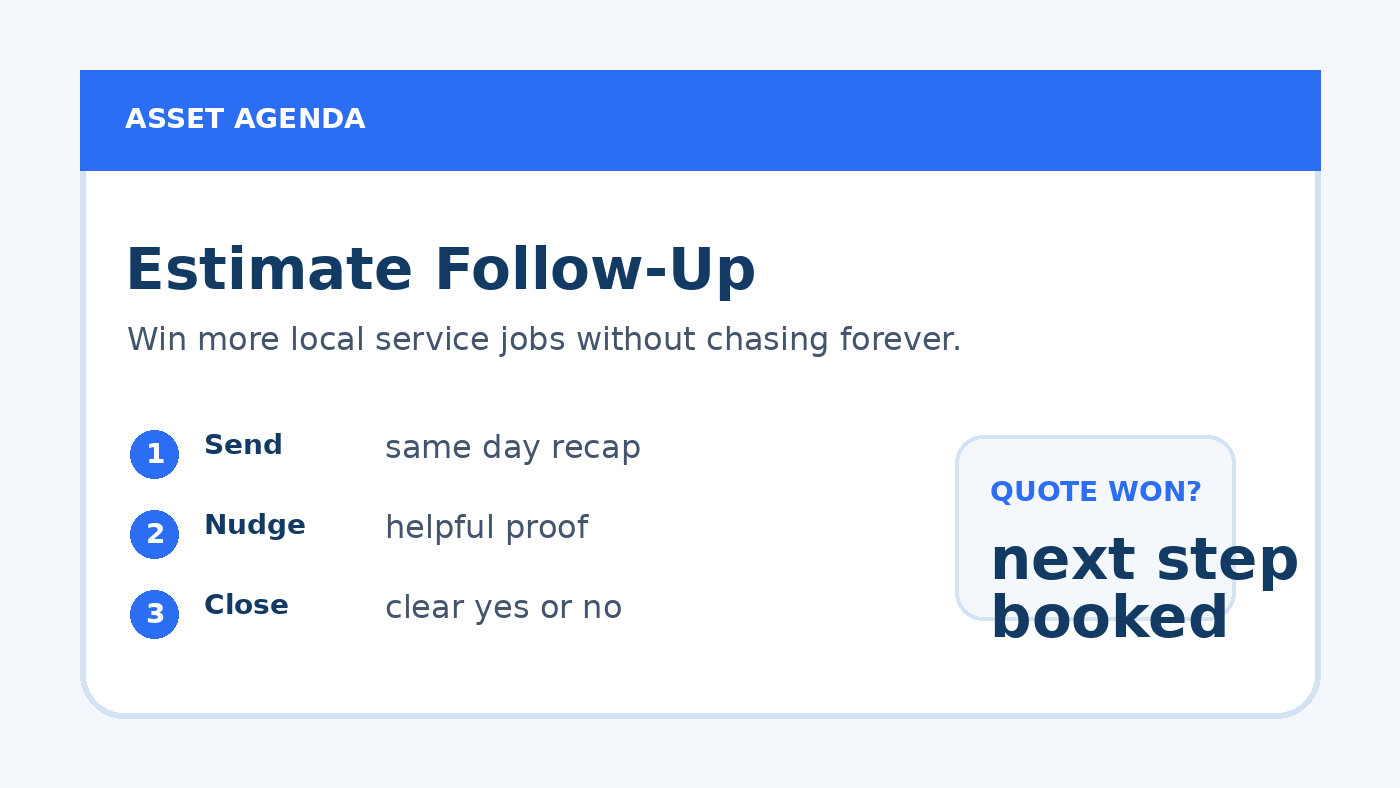
That is why the weekly review should connect to the sales process. If new leads are coming in but quotes are not being followed up, cash will lag. If booked appointments are not confirmed, the week gets noisy. A simple follow-up rhythm like the seven-day follow-up system for service businesses can support cash flow because it turns open interest into cleaner next steps.
When software helps
You do not need a huge stack to do this. A spreadsheet can work. A bank export can work. A basic accounting app can work. Software becomes useful when the review depends on lead follow-up, invoice reminders, pipeline visibility, or customer reactivation.
For teams that need CRM, follow-up, booking, and pipeline tools in one place, the GoHighLevel guide can help decide whether that type of system fits. It is one option, not a magic wand. The review still needs an owner, a calendar habit, and clean decisions.
A 30-minute weekly cash-flow review template
- Minute 1-5: write current available cash and the bills due this week.
- Minute 6-10: list invoices, subscriptions, retainers, and expected payments.
- Minute 11-15: list payroll, contractors, software, debt, taxes, refunds, and inventory.
- Minute 16-20: calculate the seven-day gap and mark the biggest risk.
- Minute 21-25: choose one collection action, one sales action, or one cost action.
- Minute 26-30: schedule the action before opening anything else.
FAQ
How often should a small business review cash flow?
Weekly is enough for many small businesses. Daily checking can create noise, while monthly checking can be too late for fast decisions.
What is the most important cash-flow number?
The seven-day gap is usually the most useful operating number: current available cash plus expected cash in minus expected cash out.
Can a new online business use this?
Yes. Even if revenue is small, the habit helps separate real income from activity, tools, and ideas that are not paying yet.
Should the review include profit margin?
Yes. If an offer brings in cash but leaves too little margin after delivery costs, the review should flag that before the business sells more of it.
Want a clear next step?
Compare the GoHighLevel fit rules ->